The first demo is a rush. The board lights up, the sensor reads correctly, the motor spins on cue, and the room nods in approval. It feels like the hard part is over. In reality, it's the easy part. A prototype only has to work once, in a controlled setting, in front of people who already know how to forgive its quirks. A dependable device has to work every time, in someone else's hands, in conditions you didn't plan for.
The gap between those two things is where most hardware projects quietly stall. Here's what actually changes as a prototype turns into something you can ship.
“It works” becomes “it works under stress”
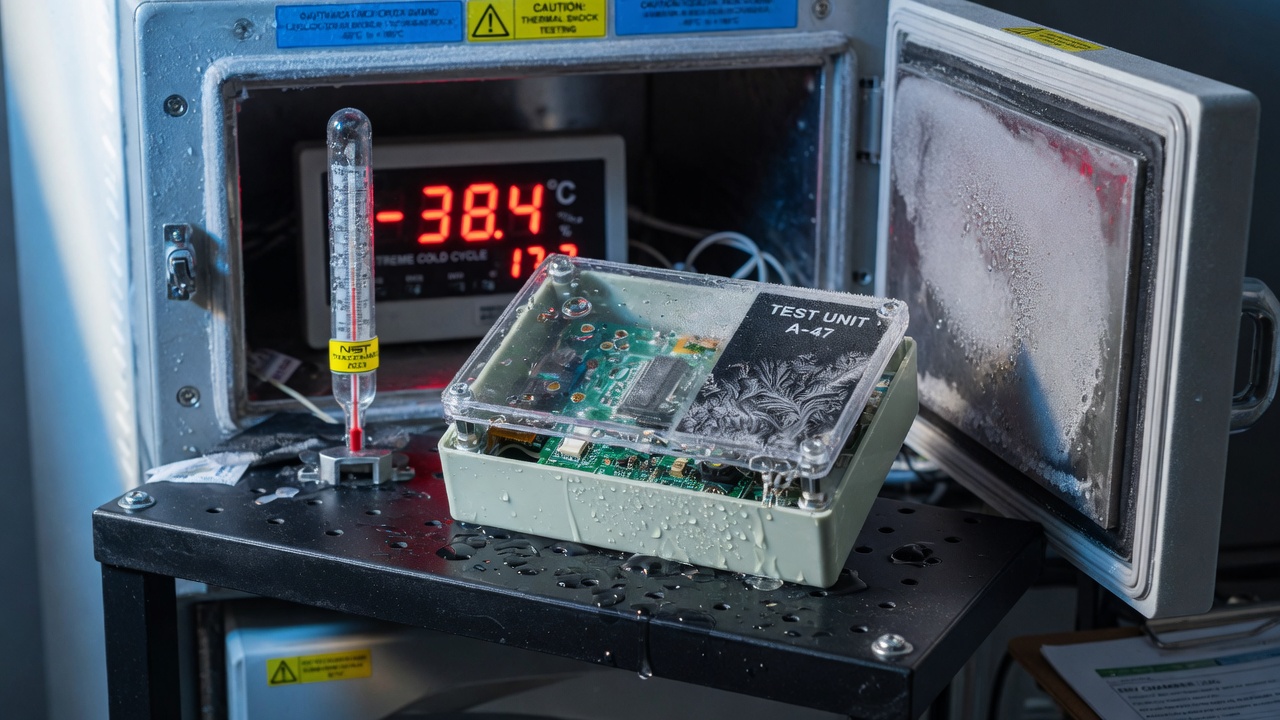
A prototype is usually tested in the best-case scenario: stable power, room temperature, a battery that's freshly charged, a USB cable that you know is good. None of that holds in the field.
After the demo, the real questions start:
- What happens at the edges of the battery's charge curve, not just at 50%?
- What happens in a hot car, a cold warehouse, or a humid bathroom?
- What happens if the user plugs it in upside down, drops it, or leaves it on for three days straight?
This is when you stop testing the happy path and start actively trying to break your own device. Thermal cycling, vibration, drop tests, and brownout simulation aren't paranoia — they're the difference between a demo and a product.
One-off becomes repeatable
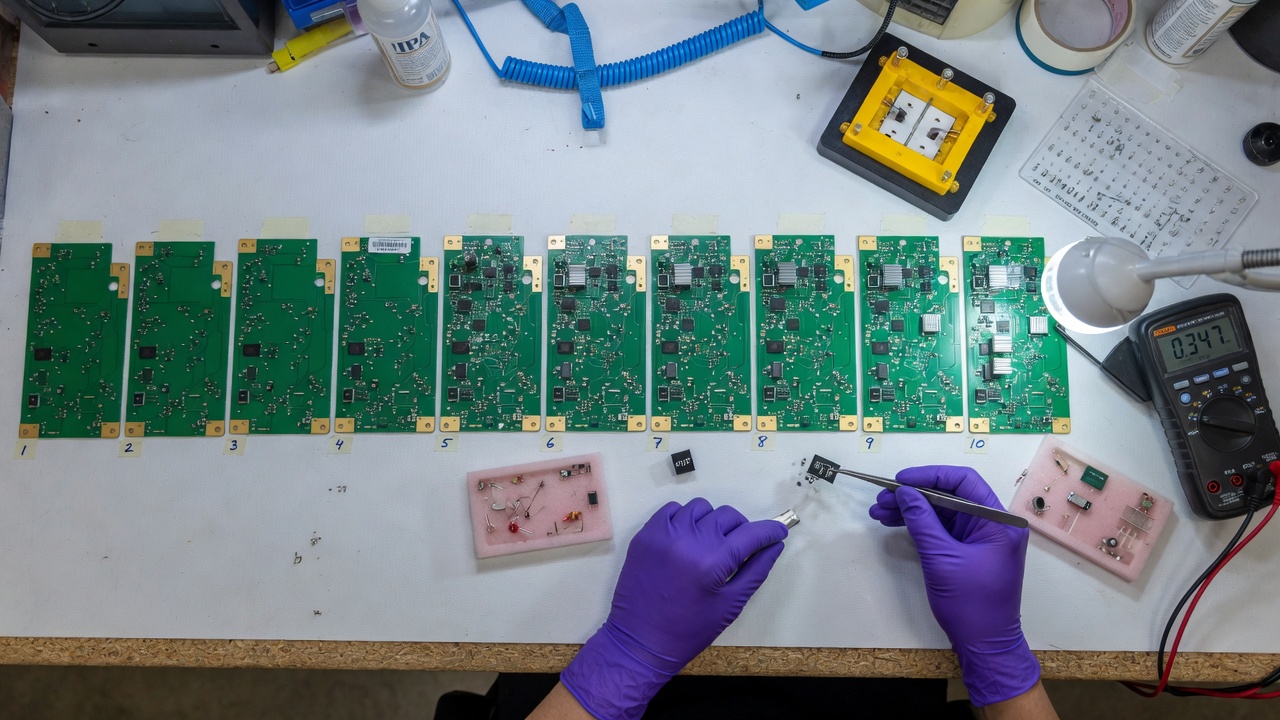
A prototype is often hand-soldered, hand-tuned, and quietly dependent on the fact that you built it yourself. The calibration constant in the firmware might be a number you eyeballed at 11pm. The wiring might only work because you know which wire is slightly loose.
Manufacturing forces you to ask: could a stranger build ten of these and have them all behave the same way? That means:
- Replacing manual tuning with self-calibration or factory calibration steps
- Tightening tolerances so the design doesn't depend on a "golden" component
- Writing assembly instructions detailed enough that someone who didn't design the board could follow them
Repeatability is unglamorous, but it's the actual definition of "ready."
Debugging by feel becomes debugging by data
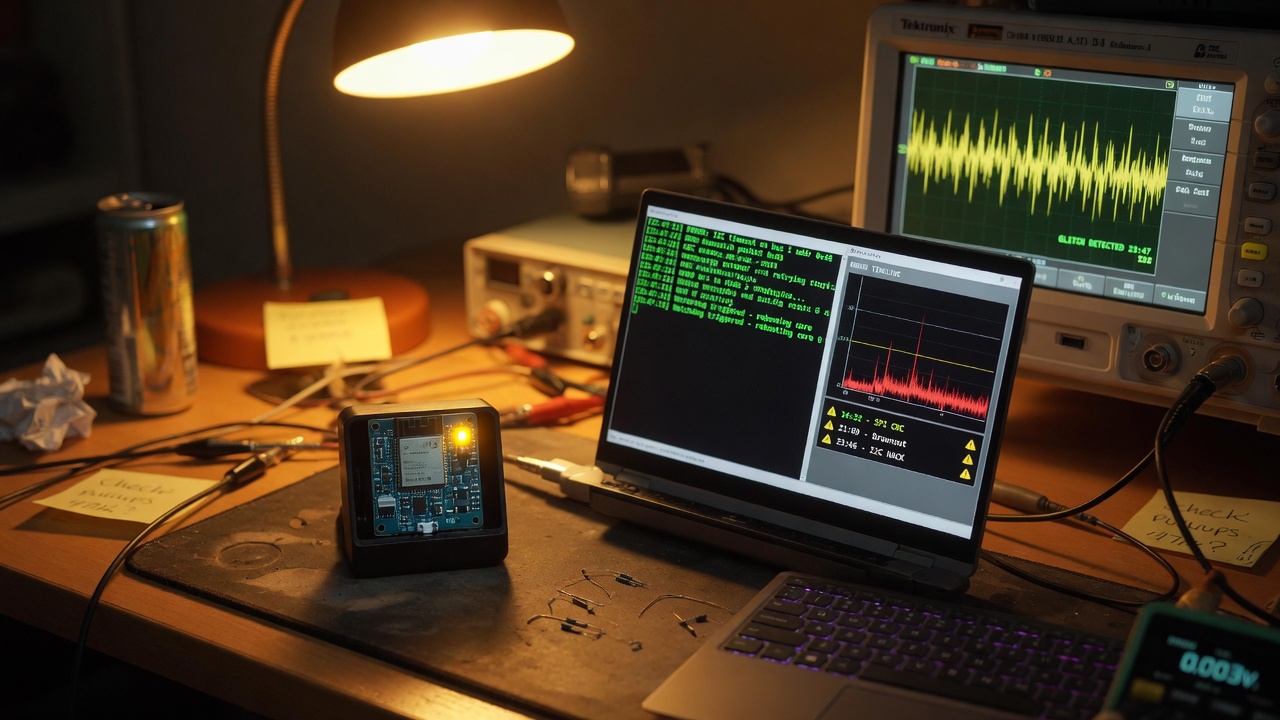
When something goes wrong with a prototype, you debug it the way you'd debug your own code — you know the history, you remember what you changed last, you can probe a test point with an oscilloscope in your hand. None of that scales.
A dependable device needs to tell you what's wrong without you standing next to it:
- Logging that survives a crash or power loss
- Status LEDs or error codes that mean something to a non-engineer
- Remote diagnostics, if it's connected, so failures in the field don't require a guess
This is also where you start designing for the support team, not just for yourself. If a customer calls in, what can they tell you, and what can the device tell you, that's enough to actually diagnose the problem?
Optimistic firmware becomes defensive firmware
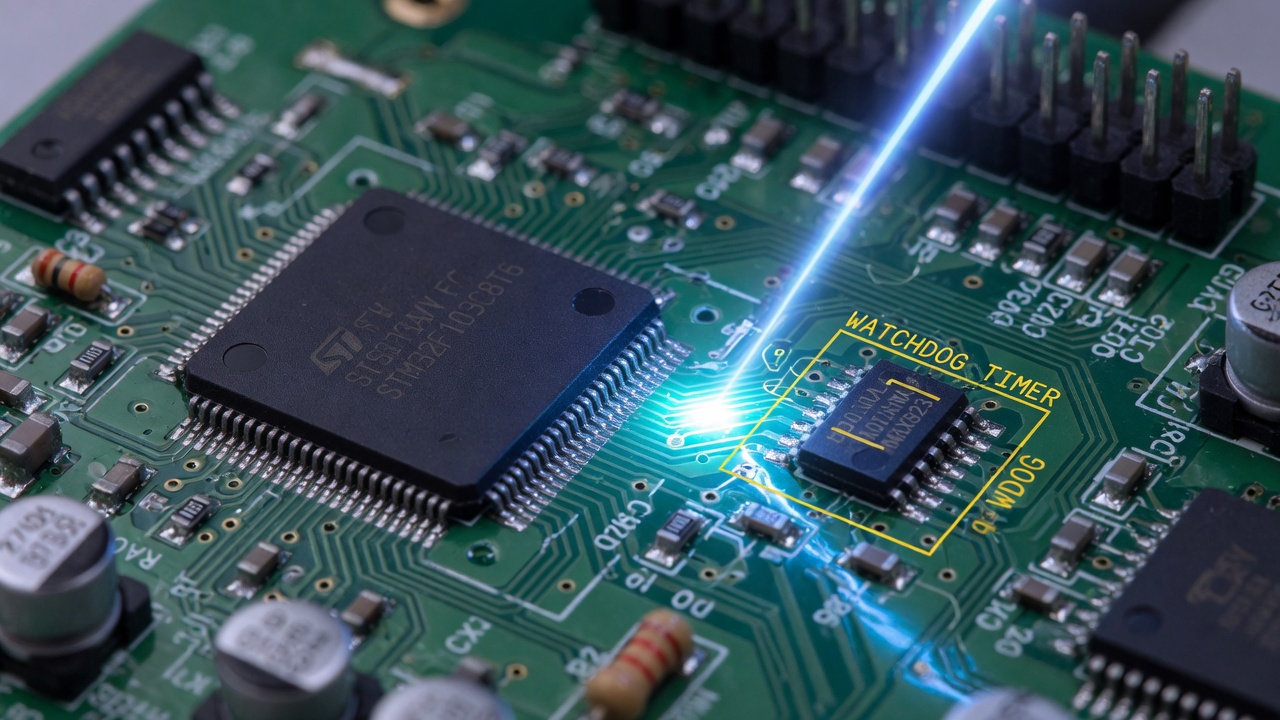
Prototype firmware tends to assume the world is cooperative: sensors return valid data, peripherals respond in time, the user follows the steps in order. Production firmware assumes none of that.
This shows up as unglamorous but critical work:
- Timeouts and retries on every external communication
- Sanity-checking sensor values instead of trusting them
- Watchdog timers that recover from a hang instead of requiring a power cycle
- Graceful handling of partial failures — a sensor going offline shouldn't take down the whole device
None of this makes the demo look more impressive. All of it determines whether the device is still working a year later.
A schematic becomes a supply chain
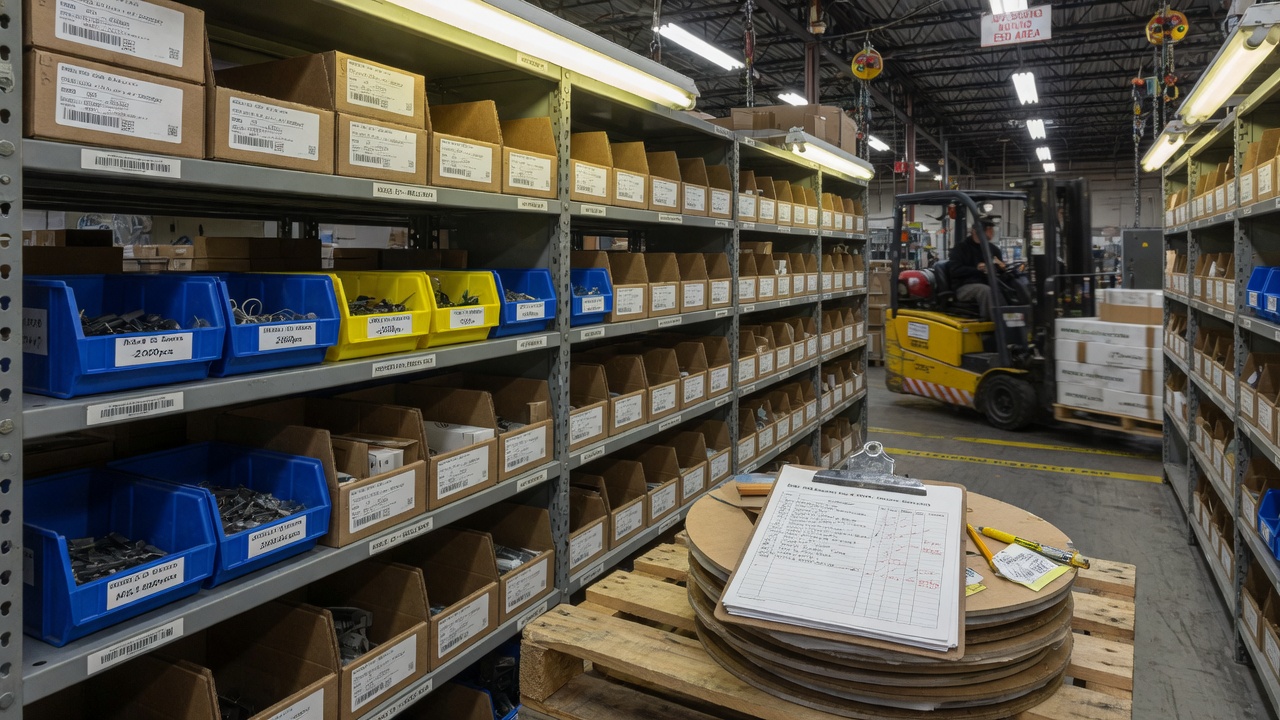
In a prototype, parts come from whatever's in the drawer or whatever showed up fastest from a distributor. In production, every part on the bill of materials becomes a decision with downstream consequences:
- Is this part single-sourced, and what happens if that vendor has a bad quarter?
- Is it actually available in the quantities you'll need, not just in dev-kit quantities?
- Does its datasheet's "typical" spec hold up, or were you relying on a best-case number?
This is usually the point where a few components get swapped — not because they didn't work, but because they weren't dependable to buy.
The enclosure stops being an afterthought
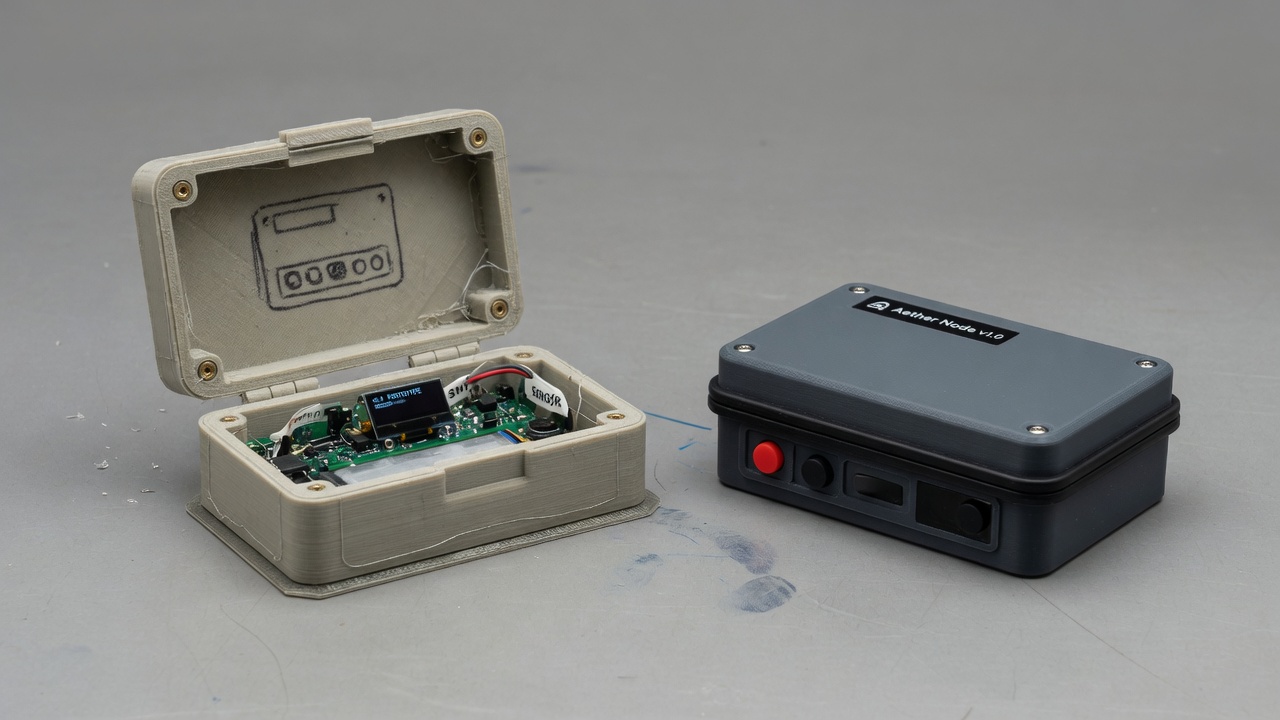
A lot of prototypes live in a 3D-printed shell, a project box, or no housing at all. That's fine for a demo table. It's not fine for a pocket, a backpack, a worksite, or a kid's hands.
Mechanical design after the first demo has to account for things the electrical design never had to: drop survivability, ingress protection if it'll see moisture or dust, thermal dissipation now that the board is sealed inside plastic instead of sitting open on a bench, and serviceability if something does need to be opened and fixed.
“I know how to use it” becomes “anyone has to know how to use it”
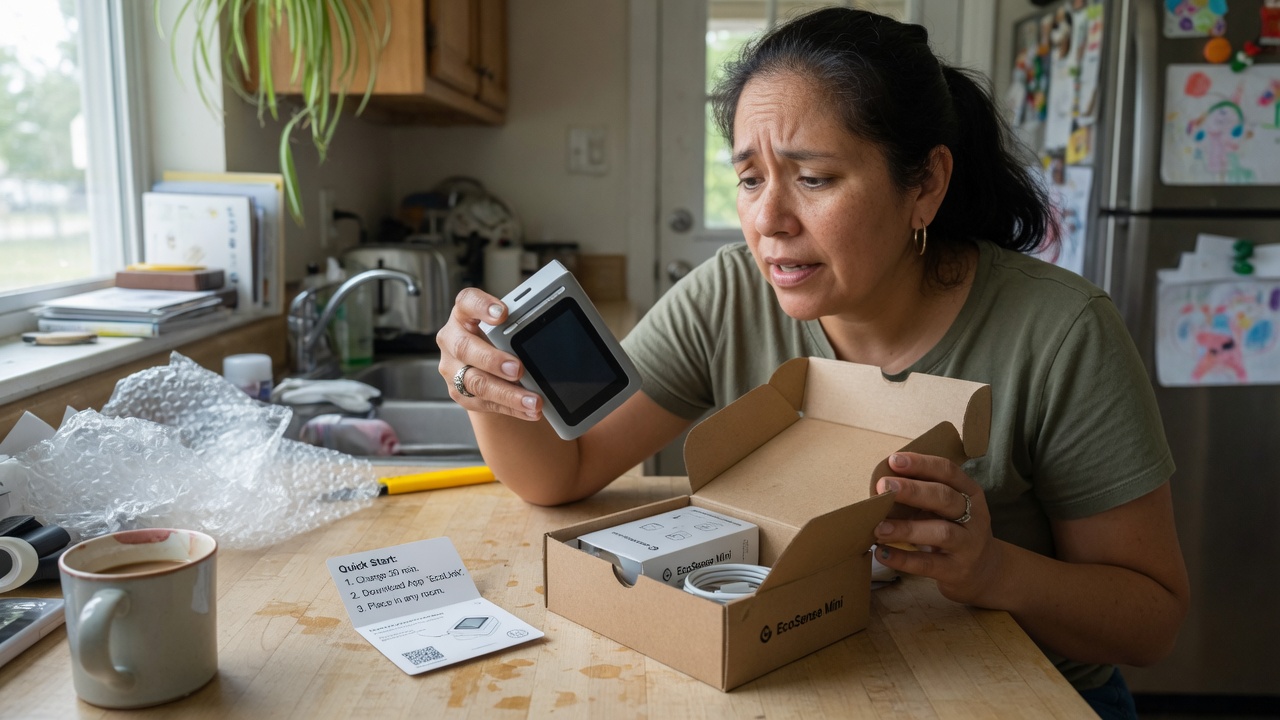
The person who builds the prototype is the best possible user for it — they know its quirks, its startup sequence, and which button to hold to reset it. The first real test of a device's dependability is handing it to someone who doesn't know any of that and watching what happens.
This usually reveals:
- Onboarding steps that need to be obvious, not just documented
- Failure states that need to explain themselves instead of requiring a manual
- Edge cases in user behavior that no engineer would have tried, but a real person will
The first demo proves an idea. The work after it proves a product.
None of these changes are about making the device smarter or more capable — most of them make it less exciting on paper. But they're what separate something that worked once from something people can actually rely on. The first demo gets the applause. Everything after it is what earns the trust.